Designer working at the seam where physical and digital meet. Currently at General Motors exploring what design becomes when intelligence is the substrate.
38.0165°N, 122.6750°W
—
I read manuals.
- Skylight
- On ideas
- Desert spring
- Naming things
- Inside the weather
- Alcove
- Drift
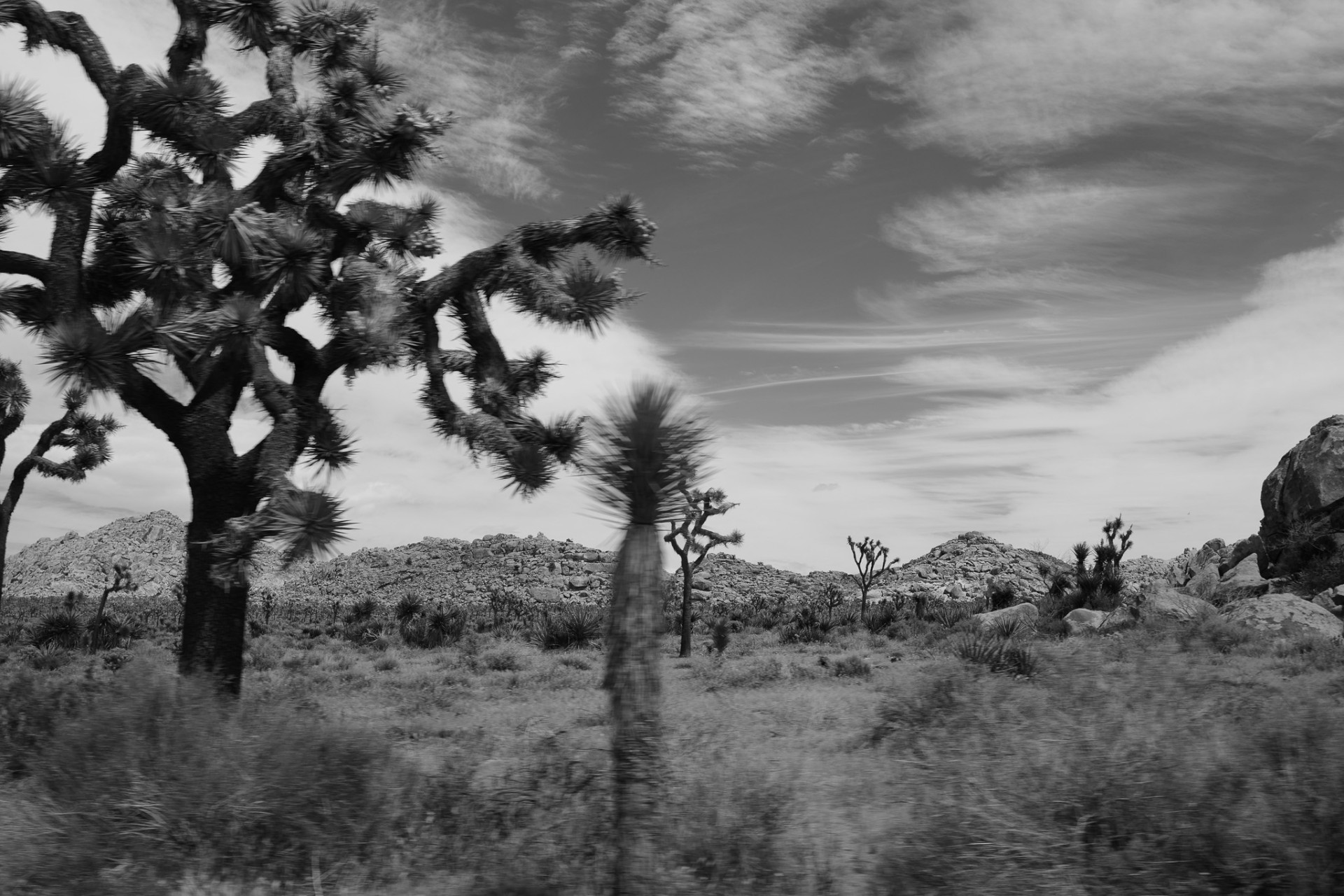
The first thing the desert tries to do is overwhelm you. This is its public-facing trick: the horizon does the work. You arrive in Joshua Tree and the rocks pose, the sky performs, the trees (those crooked, prophetic trees) stand around like extras who know their light. It is a landscape that photographs itself. You can hardly take a bad picture of it; the composition is already done.
So I went looking for what wasn't being handed to me.
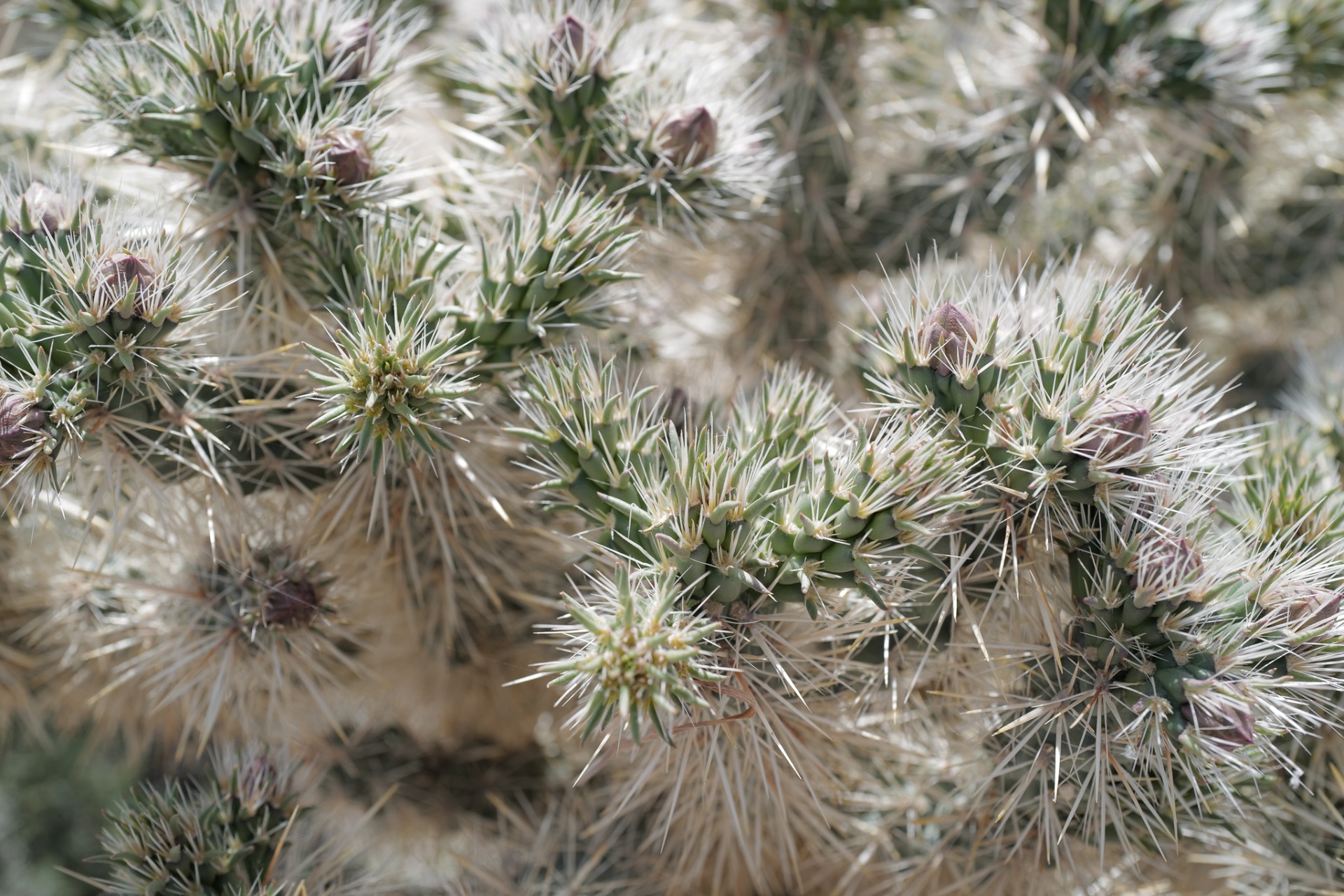
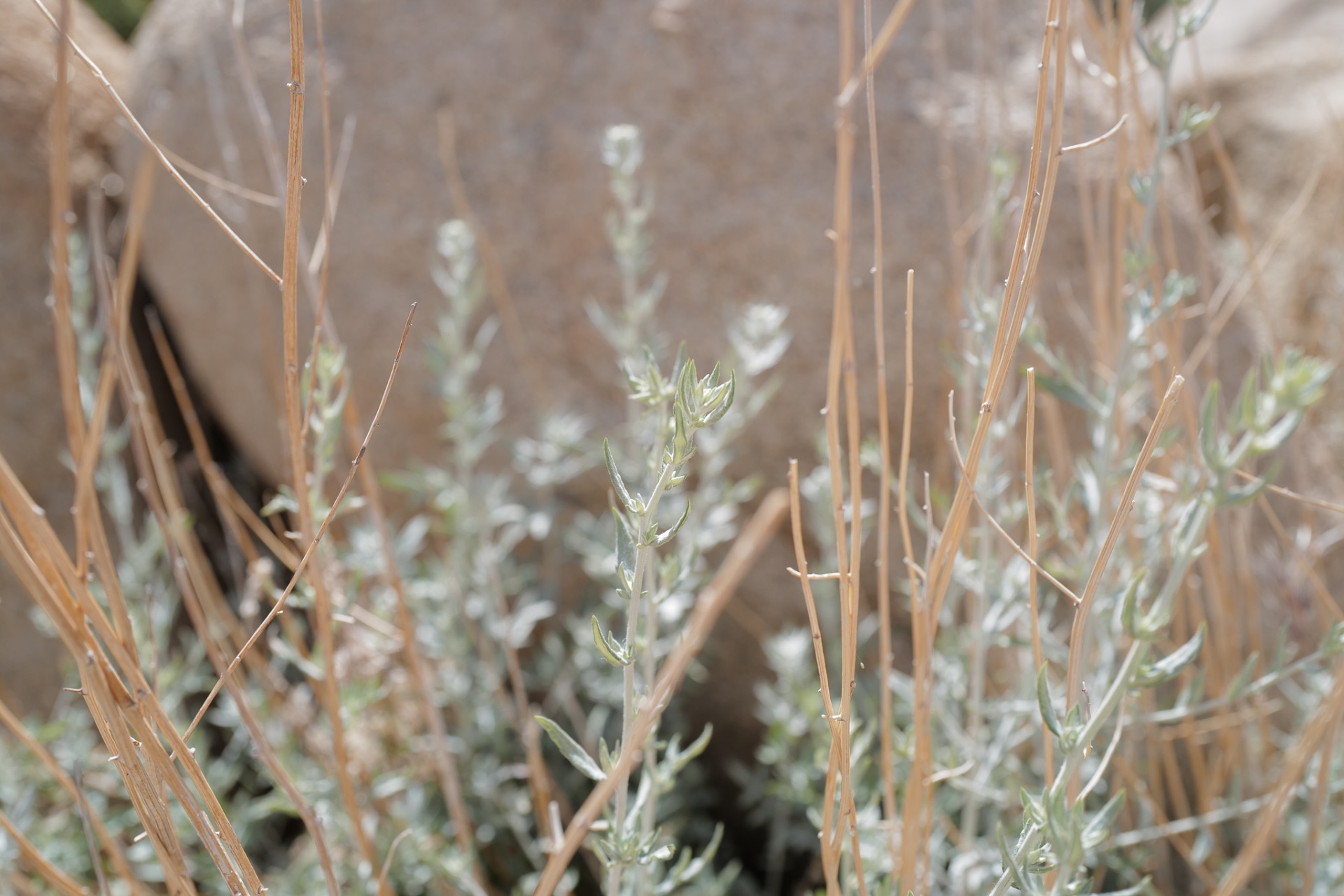
Spring in the desert is a quiet event. After the right kind of winter, the floor of the valley puts forth a rumor of color: pale yellow, a thin lavender, the occasional bewildered red. Each flower is no bigger than a thumbnail, each one entirely unconcerned with being seen. To photograph them you have to do something uncomfortable: you have to stop looking at the famous part. You crouch. The horizon disappears. The Joshua trees, the boulders, the whole great geological argument falls out of frame, and what's left is a few millimeters of petal against grit.
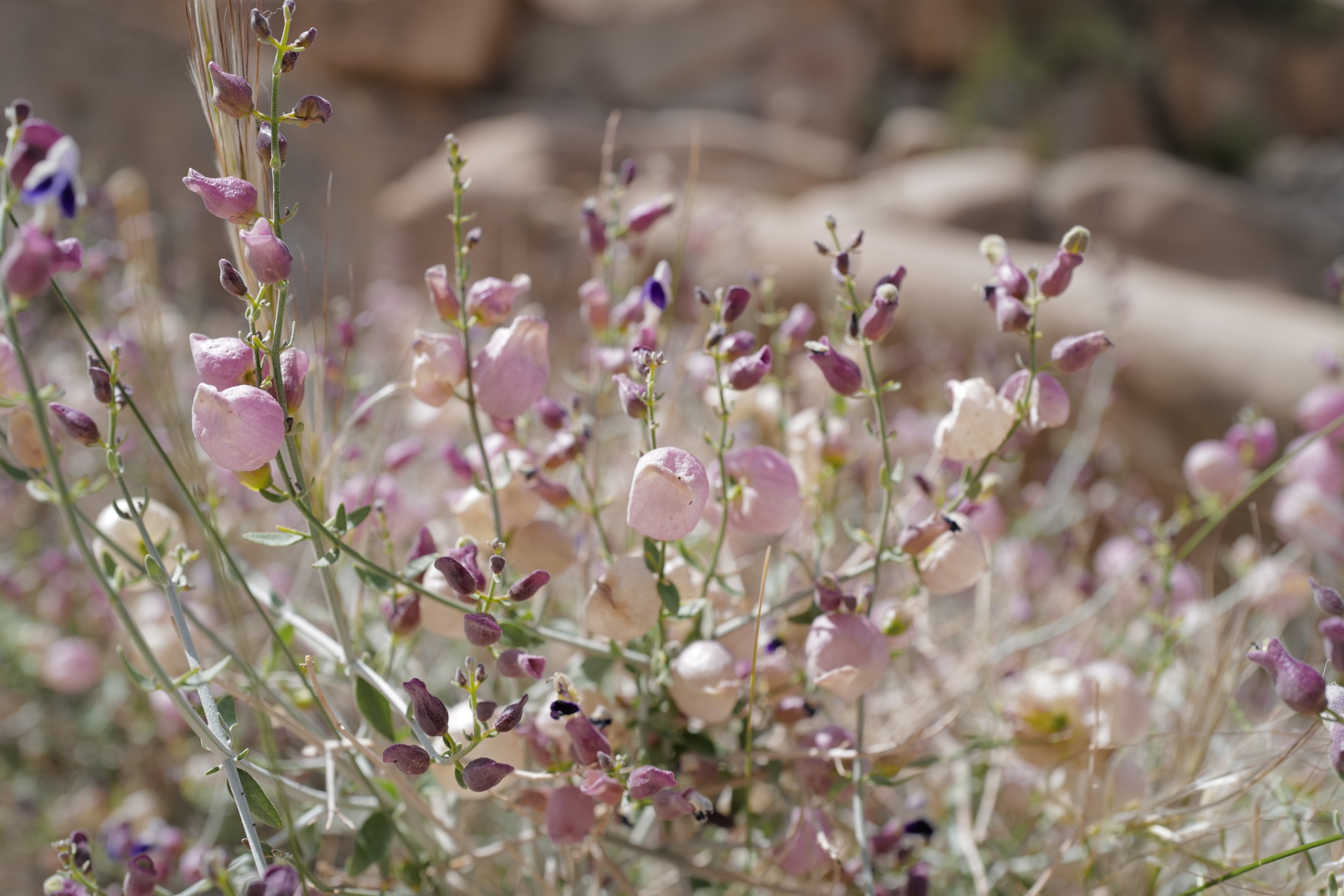
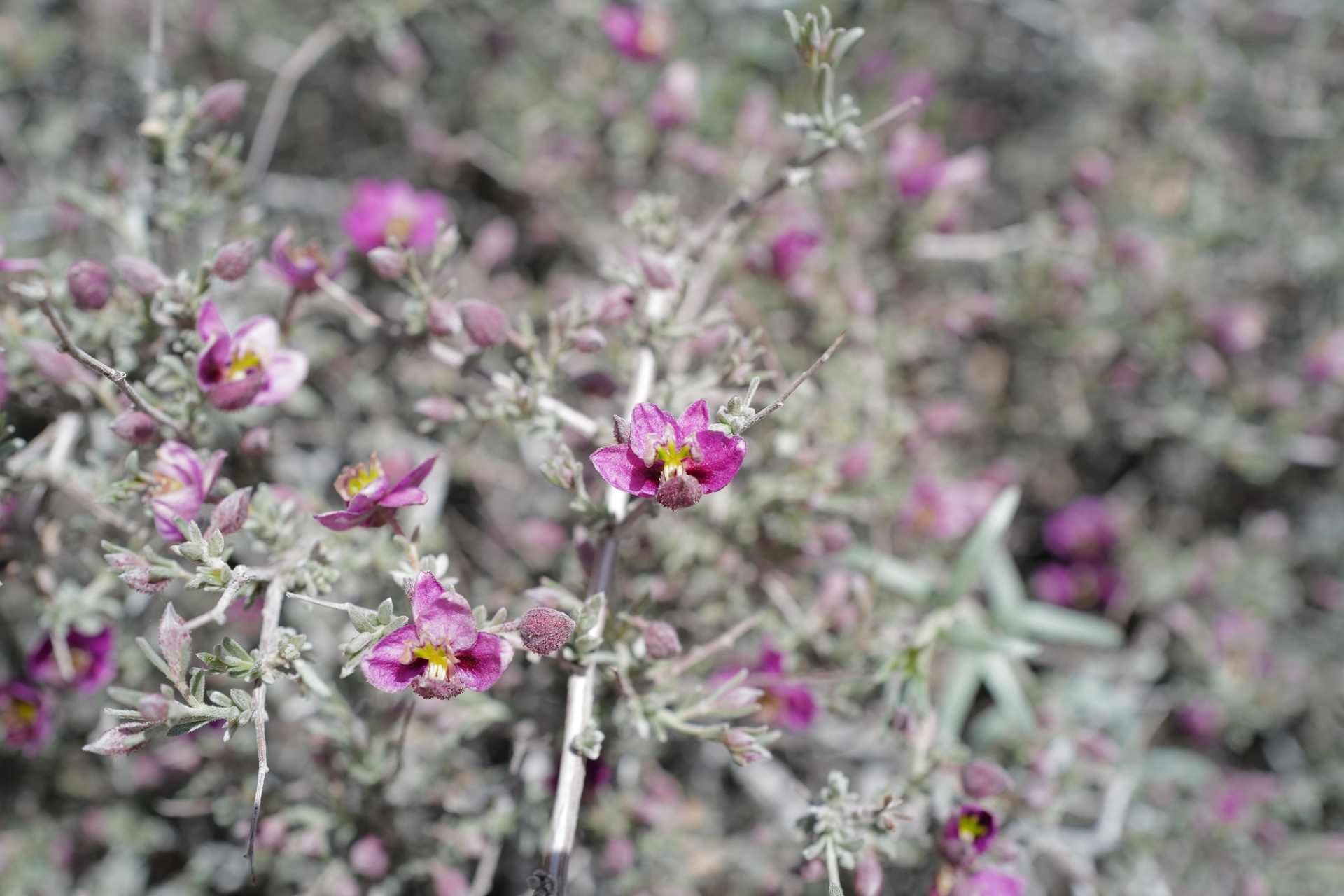
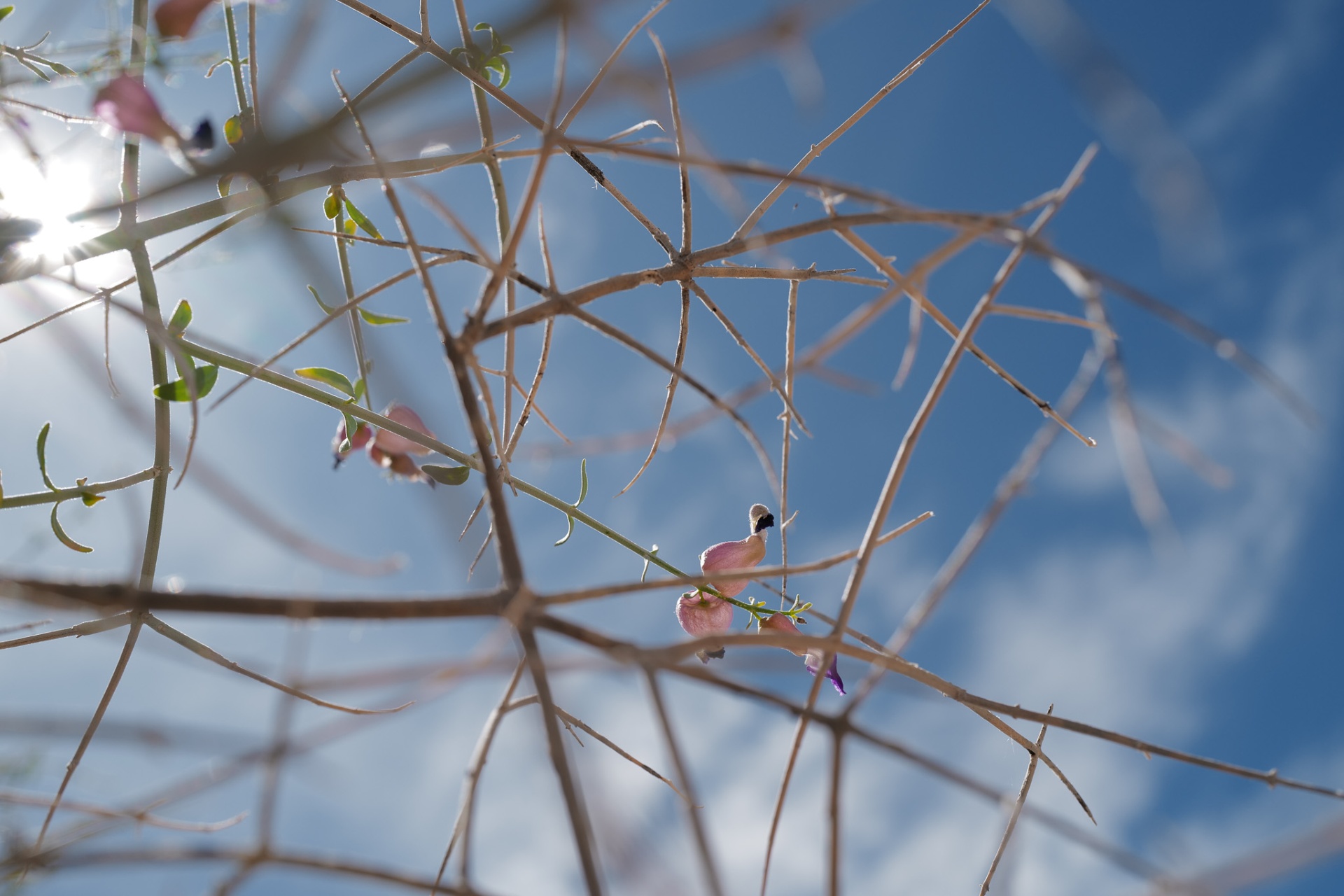
I think this is what I keep coming back to in design, too. There's a version of composition that is essentially capitulation, where you simply accept the scale that arrives pre-loaded, the obvious subject, the view from the overlook. And then there's the harder move, which is to choose your scale. To decide that the thing worth looking at is the thing the landscape wasn't bragging about.
The vastness is a gift, but it is a gift that asks nothing of you.
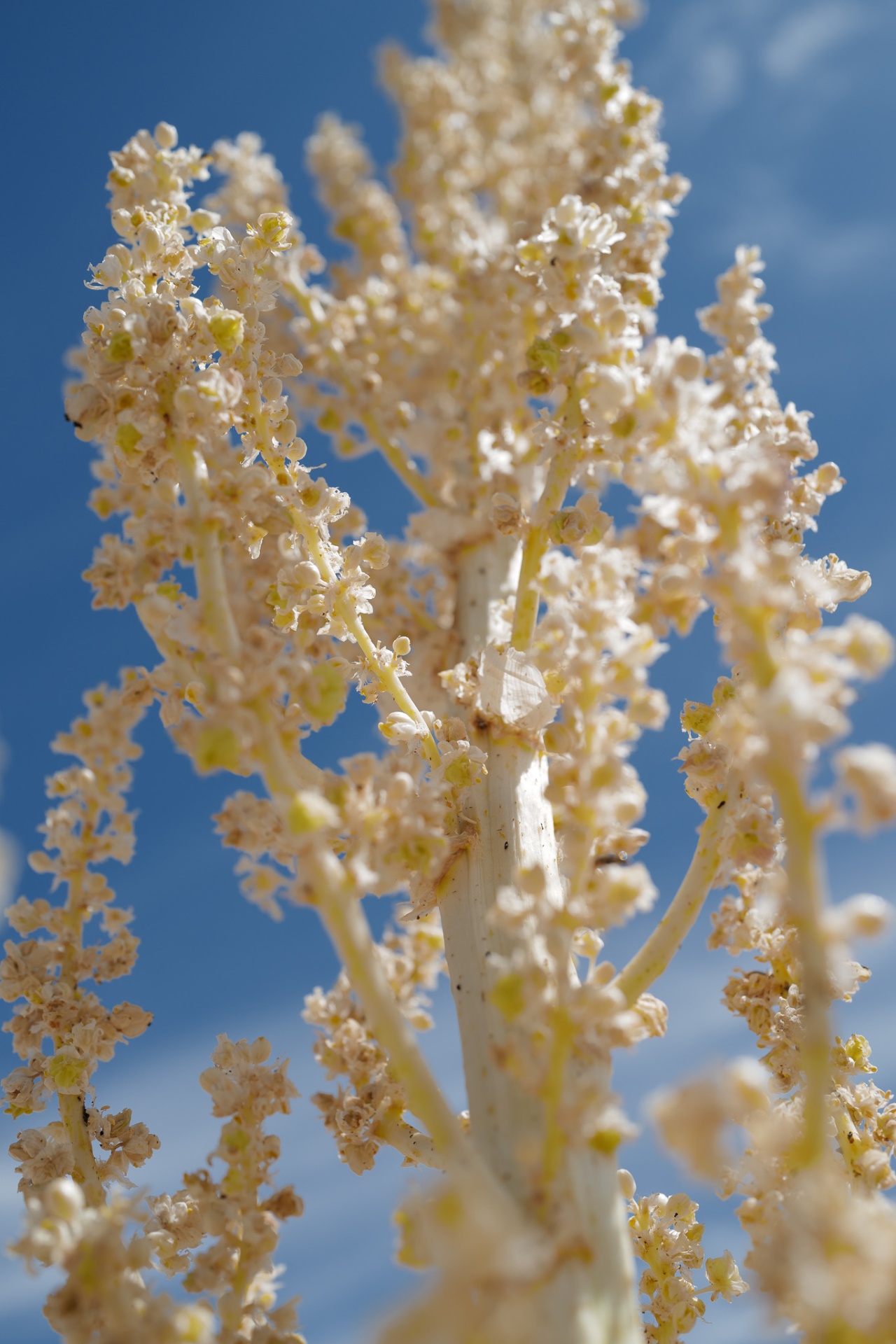
The detail is conditional. The desert flower needs a particular winter, a particular angle of afternoon, a particular willingness on your part to get your knees dirty. It is a composition you have to meet halfway. And once you do, the strange thing happens: the vastness comes back, but smaller and truer. The petal, photographed close, contains the same dry wind, the same patient geology, the same long silence. The whole place is in there. You just had to crop in to find it.
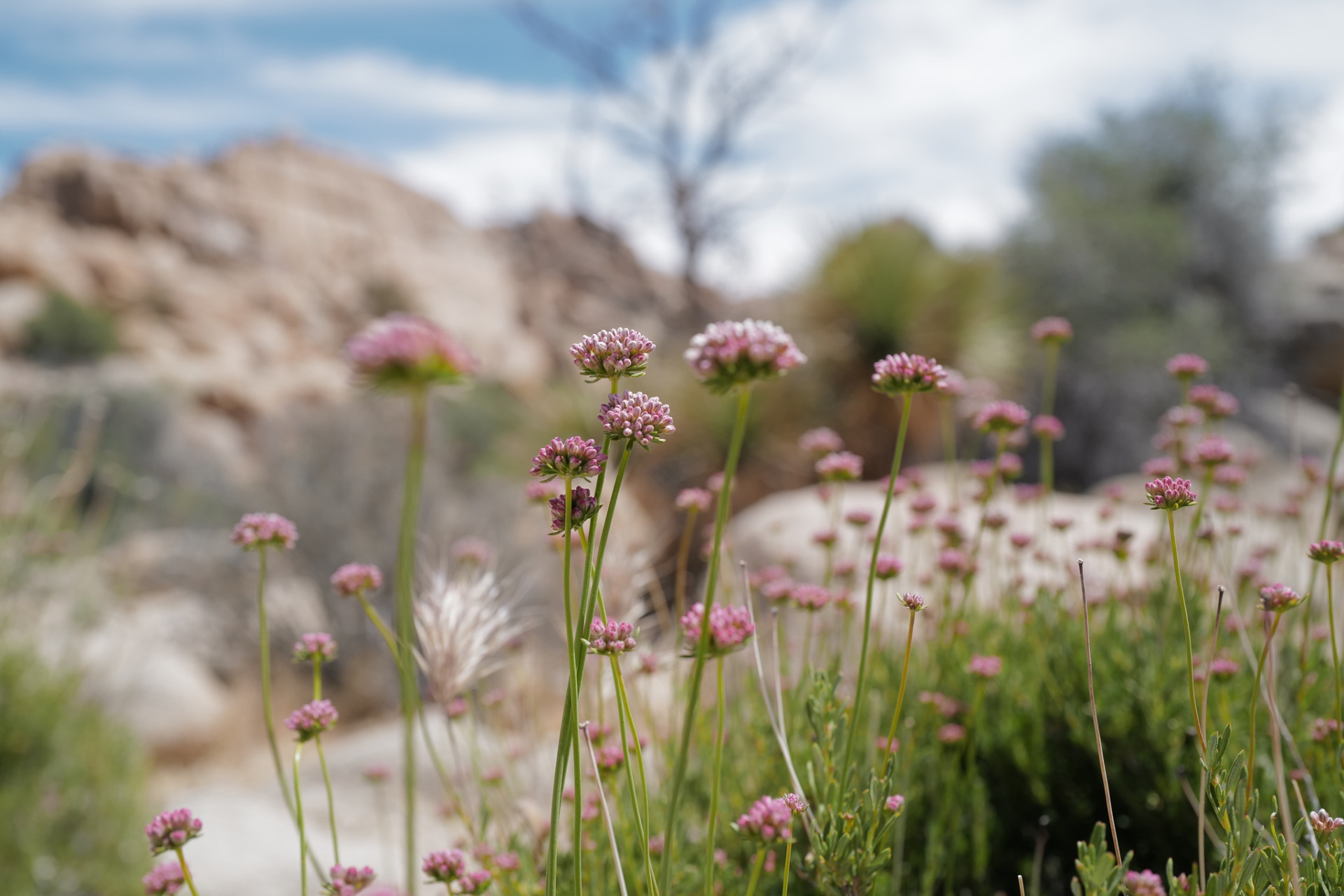
That's the point of view I'm trying to develop, in design and otherwise. Pay attention to what isn't performing. Compose toward what's small. Trust that the large thing will still be there when you stand back up.